Written in the Margins
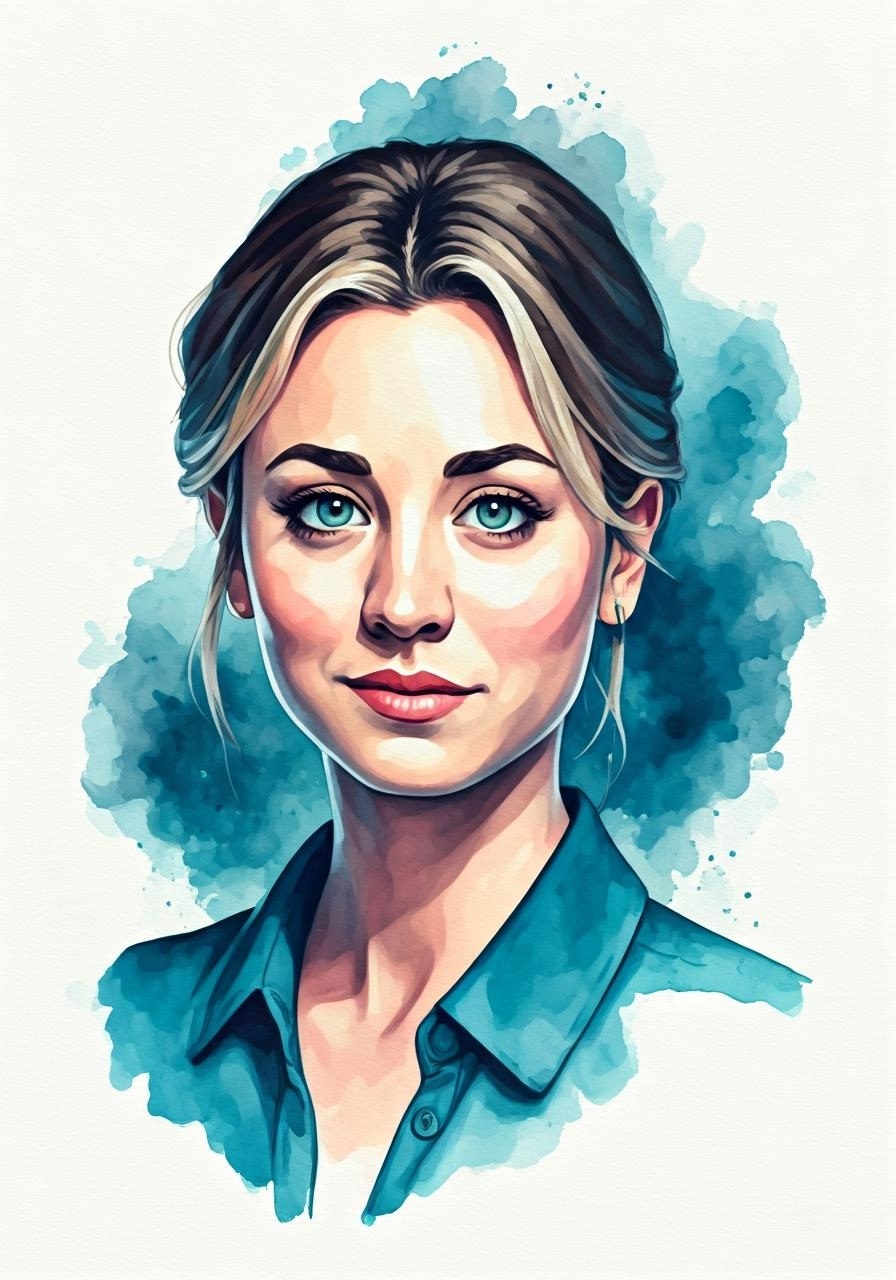
A junior writer is hand-picked by her famous boss, Kaley Cuoco, to collaborate on a personal documentary, and their creative intimacy soon ignites a secret, passionate affair. With Kaley's high-profile engagement and their careers on the line, the two women must navigate a forbidden romance and decide if the love they've found is worth risking everything for.

Fluorescent Afternoons
The PowerPoint slide was titled ‘Q3 Growth Projections,’ which was a euphemism for ‘Reasons We Aren't Making Enough Money.’ I was adjusting the kerning on a bullet point, a meaningless task I assigned myself to make the passage of time feel deliberate. It was Tuesday. The office air, recycled and smelling faintly of burnt coffee, was a known quantity. The low hum of the air conditioning, the distant rattle of someone using the expensive espresso machine in the kitchen, the soft clicks of a hundred keyboards—it was all a familiar, sterile ecosystem.
Then the elevator doors slid open with a soft chime, and the ecosystem changed.
I didn't have to look. The sound was enough. It was the specific, sharp click of her heels on the polished concrete floor. It was a sound that carried authority and money. It wasn’t the hesitant clatter of an assistant or the sensible tread of a producer. It was the sound of someone who owned the floor she walked on.
I kept my eyes on my monitor, but my awareness of her was total. It was a physical sensation, like a shift in barometric pressure before a storm. I felt her pass behind me, a brief, moving pocket of warmth and expensive perfume. Le Labo Santal 33. I knew the scent because I had looked it up one night after she’d stood near my desk to talk to Mark, my boss. I had googled ‘what perfume does Kaley Cuoco wear’ and felt a wave of self-loathing immediately after. The price of one bottle was more than my weekly grocery budget.
She was a blur in my peripheral vision. Today it was a cream-colored silk blouse and dark trousers that moved with a liquidity my own clothes could never achieve. I watched the reflection of her progress in the dark screen of the monitor on the empty desk opposite mine. A distorted figure of light and movement, heading for her glass-walled office at the far end of the open-plan space. I tracked her until she disappeared inside.
My focus returned to the pitch deck. The words on the screen seemed flat and stupid. I felt a familiar, low throb of inadequacy. We existed in the same building, under the same fluorescent lights, but her world was a different dimension entirely. A world of red carpets and equestrian events and fiancés who were probably also famous and rich. My world was this desk, this chair, this slow-creeping dread that I would be adjusting the kerning on slides for the rest of my life.
I shifted in my seat, the cheap fabric of my jeans suddenly too tight. Under the surface of my desk, I felt a familiar stirring, a dull, insistent weight in my groin. It was an involuntary and deeply inconvenient response. It happened almost every time she was near. A biological betrayal. It had nothing to do with any rational thought or genuine hope. It was a stupid, animal reaction to a stimulus so far out of my league that it was laughable. It was a response to the sound of her heels, the scent she left in the air, the mental image of the way the silk blouse probably felt against her skin. I pressed my thighs together, a useless gesture, and tried to force my attention back to a bar graph representing Q2 engagement metrics.
I could see the back of her head through her office window. She was on the phone, laughing at something. The light from the large window behind her caught the blonde in her hair, creating a halo effect. It was an absurdly cinematic image. Even in the mundanity of a Tuesday afternoon, she looked like she was on a film set. I watched her, my chest feeling hollow, until she turned and her eyes briefly swept the office. I snapped my gaze back to my screen, my heart kicking against my ribs, certain she had seen me. Certain she had looked directly at me and seen this pathetic, wanting creature staring from the anonymous sea of desks.
“Got a minute?”
Mark was standing by my desk, holding a thin manila folder. He had the slightly damp, frazzled look of a man who had been in back-to-back meetings since 9 a.m. His tie was already loosened, and a faint sheen of sweat was visible on his forehead despite the aggressive air conditioning. Mark was my direct supervisor, a man who seemed to exist in a state of perpetual, low-grade panic.
“Sure,” I said, minimizing the PowerPoint slide.
He dropped the folder onto my desk. It landed with a soft, definitive slap next to my keyboard. “New project. Docuseries. It’s a high priority, coming straight from the top.”
I looked at the folder. It was unmarked. “Okay. What’s the subject?”
“It’s in there,” he said, gesturing vaguely at the folder with a chewed pen. “Look, I need someone who can go deep on archival. Sifting through old footage, interviews, articles, all of it. Finding the narrative threads before we even have a script. You’re good at that stuff. You’re patient.”
I wasn’t sure if that was a compliment. It felt more like he was saying I was good at tedious, solitary tasks that no one else wanted. I nodded. “I can do that.”
“Good.” He leaned in a little, lowering his voice. The smell of stale coffee was stronger now. “This isn’t just any project. This is Kaley’s. It’s her baby. She’s been trying to get this thing made for years, and it’s finally happening. She is personally overseeing every single aspect of it. Every decision, every hire, every piece of footage. Nothing gets approved without her eyes on it. Understand?”
I felt a strange sensation, like a sudden drop in altitude. My entire body felt acutely still. I looked from Mark’s anxious face to the plain folder on my desk. Kaley’s. The word echoed in the quiet space of my mind. My work, my choices, the hours I would spend in dark archives—they would all lead directly to her. She would see my name on reports. She would watch the clips I selected.
“I understand,” I said. My voice sounded unnaturally calm.
“Right. So, don’t fuck it up.” He gave my desk a little pat, a gesture that was probably meant to be encouraging but felt more like a warning. “The initial brief is in there. Get started today. I need a preliminary report by the end of the week.”
He straightened up and walked away, already pulling his phone from his pocket, his attention consumed by the next fire he had to put out. I was left staring at the folder. It seemed heavier than it was, weighted with a significance that made my hands feel unsteady.
For a moment, I just sat there. The usual office sounds returned to my awareness, but they seemed farther away now. I was in a bubble with this folder. I reached out and drew it towards me, my fingers tracing the clean edge of the paper. It was cool to the touch.
I opened it. The top page was a formal project overview. The title was simple, direct. Underneath, a list of key personnel. Executive Producer: Kaley Cuoco. Associate Producer: Mark Stevens. And then, a line left blank: Lead Archival Researcher.
My heart was beating a fast, hard rhythm against my ribs. This was different from tweaking a pitch deck no one would ever really read. This was real. This was a direct line into her world, the one I only ever observed from a distance. It was terrifying. The thought of her scrutinizing my work, judging my choices, made my stomach clench. I imagined her looking at a list of footage I’d pulled and dismissing it with a flick of her wrist, and the thought was mortifying.
But underneath the fear, something else was stirring. A sharp, electric current of excitement. This wasn't just about the work. It was a chance to be seen. Not as a piece of the office furniture, not as another anonymous employee in the content mine, but as a person with ideas, with a perspective she might actually listen to.
I picked up the file, the papers held together by a single metal clip. The formal nature of it, the crisp, typed words, felt like a contract. An entry point. I held the weight of it in my hands, a tangible piece of a world I was not a part of, and looked across the vast expanse of the office to the glass wall of her room. She was off the phone now, typing something on her laptop, her expression focused. She had no idea that my entire day, my entire week, my entire professional existence, had just been reoriented to revolve completely around her.
The office emptied out slowly, then all at once. The first to leave were the assistants, a small herd moving toward the elevators at 6:01 p.m. Then the mid-level producers, talking about dinner plans and childcare. By seven, only the dedicated and the desperate remained. By eight, it was just me. The automatic lights in the main office area had timed out, casting everything in a dim, grey twilight. The only real illumination came from the glow of my monitor and the harsh fluorescent strips of the server room, its glass door left ajar. The hum of the cooling fans was the only sound, a steady, mechanical breathing that made the silence feel deeper.
I was in one of the small, windowless rooms designated for screening, but I’d been working for hours without watching a single clip. The company’s digital archive was a labyrinth of poorly labeled folders and obsolete file formats. It felt less like a professional database and more like a digital attic where decades of media had been thrown and forgotten. I typed in search terms related to the docuseries—names, dates, locations from the file Mark had given me. The results were a chaotic jumble of news reports, B-roll from old projects, and raw interview tapes.
My fingers ached from typing and clicking. My eyes were dry. I was working my way through a server partition labeled ‘Misc. Tapes_1998-2002’, a digital dumping ground. Most of it was useless. Grainy footage of red-carpet arrivals for premieres of films the company hadn't even produced. A C-SPAN clip of a senator the company had once considered for a different project. It was mindless work, the kind of task Mark was right about—it required patience.
I was about to log off for the night when a file name caught my eye. It was just a string of numbers followed by ‘local_access_burbank’. It was the date that was interesting. It fell within the timeline of the docuseries subject’s early life, but the file size was small, just a few minutes long. Probably nothing. I clicked on it anyway.
A media player window popped open. The footage was 4:3 aspect ratio, the colors slightly washed out. It was a public access talk show set, cheap and cheerful with fake potted plants. A local host with big hair and bigger shoulder pads was interviewing a young woman.
It was her.
She couldn’t have been more than nineteen. Her hair was blonder, longer, and less artfully styled than it was now. She wore a simple black t-shirt, no visible branding. She wasn’t the poised executive I saw every day. She was a teenager, albeit one with an unusual degree of self-possession. She sat with her hands clasped in her lap, her posture a little too straight. She looked nervous, but her eyes, when she looked at the interviewer, were exactly the same. Direct, intelligent, and with a flicker of something guarded.
“So you’ve been doing this since you were a kid,” the host said, her voice overly bright. “Do you ever worry you missed out on a normal life? Prom, football games, that sort of thing?”
Kaley gave a small, quick smile that didn’t quite reach her eyes. I’d seen that smile in meetings. It was the smile she used just before she disagreed with someone.
“I don’t know if anyone’s life is normal,” she said. Her voice was higher, but the cadence was the same. “And I think you always miss out on something. If I was at prom, I’d be missing out on being here, on working. It’s just a choice about what you want more.”
I leaned closer to the screen. The host asked another generic question about ambition. Kaley listened, her head tilted slightly. I watched the tiny muscles around her eyes, the way her focus was absolute. She wasn’t performing for the camera. She was genuinely considering the question.
“I don’t think it’s about wanting to be famous,” she said, and her voice was so earnest it made my chest feel tight. “It’s about wanting to make things. Good things. And you need a certain amount of power to do that. To have control over the story.”
Control over the story. The phrase hung in the air of the silent screening room. That’s what this docuseries was. It was her, thirty years later, still trying to control the story. The realization was so clear, so simple. The woman in the glass office, the one with the expensive perfume and the fiancé and the production company, was the exact same person as this nineteen-year-old girl in a black t-shirt, trying to explain herself to a local TV host. The ambition hadn’t changed, only its scale.
I rewound the clip thirty seconds and watched it again. I watched the way she tucked a strand of hair behind her ear, a nervous gesture that I had never seen her make in the office. I watched the way she talked about her work, a pure, unadulterated passion that hadn't yet been complicated by boardrooms and box office returns. It felt intensely private, like I was seeing something I wasn't supposed to. A secret glimpse behind the polished facade.
The hum of the servers seemed to grow louder, filling the small room. I was alone, in the dark, watching a ghost of the woman who worked just a hundred feet away. Under the desk, that familiar, inconvenient heat began to pool in my lower abdomen, a slow, heavy pulse. It was different this time, though. It wasn't just a reaction to her perfume or the sound of her heels. It was a response to this. To her earnestness. To the raw, unfiltered ambition in her nineteen-year-old eyes. It was a response to the feeling that, for the first time, I was seeing something real.
A shadow fell across the doorway.
“What are you still doing here?”
The voice was low and familiar, cutting through the server hum. I flinched, a full-body jerk that sent my office chair rolling back a few inches on its plastic casters. My hand shot out, a reflex to close the media player, to hide the nineteen-year-old version of her from the real thing. But it was too late. She was already there, leaning against the doorframe, one arm crossed over her chest.
She wasn't wearing the sharp blazer from earlier. She’d changed into a soft, dark grey sweatshirt and black leggings. Her hair was pulled back in a simple ponytail, and her face was free of makeup. The effect was jarring. She looked younger, more relaxed, but the authority was still there, embedded in her posture, in the directness of her gaze. The expensive perfume was gone, replaced by the clean, faint scent of soap.
My face was hot. I could feel the blood rushing to my cheeks, a stupid, uncontrollable blush that felt like a confession. My heart was hammering against my ribs, a frantic, panicked rhythm. I was caught. Not just working late, but caught in a moment of intense, private fascination.
“I, uh,” I started, my voice cracking. I cleared my throat and tried again, forcing a professional tone that sounded thin and false in the empty office. “Mark assigned me the archival research for the new docuseries.”
Kaley didn’t move from the doorway. Her eyes flickered from me to the monitor, where her younger self was frozen mid-sentence, her expression earnest and open. I felt a fresh wave of mortification. It was like she’d walked in on me reading her diary.
“He told me you wanted a preliminary report by the end of the week,” I continued, talking too fast. “The servers are a bit of a mess. A lot of unlabeled files. I was just digging through some of the older partitions from the late nineties.”
I gestured vaguely at the screen, a weak attempt to frame my activity as purely academic. “Just trying to get a feel for the available footage from that period. There’s not a lot of metadata to work with.”
She was quiet for a long moment. Her gaze remained on the screen, her expression unreadable. I could see the nineteen-year-old’s face reflected in her eyes. I wondered what she saw. Did she feel a connection to that girl, or was it like looking at a stranger? The silence stretched, thick and uncomfortable. I wanted to say something else, to fill the space, but my mind was blank. All I could think about was her standing there, the way the soft fabric of her sweatshirt draped over her shoulders, the bare skin of her ankles above her sneakers. The heat that had been pooling low in my stomach intensified, a dull, heavy ache of awareness. I shifted in my seat, the movement feeling clumsy and loud.
“Right,” she said finally, her voice neutral. She pushed herself off the doorframe. “Mark’s a sadist with deadlines. I know the archives are a disaster. We’re supposed to be getting a grant to overhaul the system.”
She took a step into the room, then another. The space, which had felt like my own private cave, suddenly felt small and crowded. She wasn’t looking at me anymore. Her focus was entirely on the screen. I stayed frozen in my chair, watching her.
Her proximity was a physical force, like heat radiating from a stovetop. I could smell the clean scent of her skin and her hair. My own body felt loud and clumsy in the silence. My breathing was too audible, my posture too rigid. I should pause the clip. I should close the window and pretend I was just organizing files. Instead, my thumb found the spacebar on the keyboard and pressed down.
The clip resumed playing.
On the screen, her younger self was finishing her thought. “…control over the story.” The host nodded, smiling a wide, vacant smile, and moved on to a question about a recent commercial Kaley had done for a soda brand. We watched in silence as the nineteen-year-old politely described the fun of working with a chimpanzee on set.
I did not dare look at Kaley. I kept my eyes fixed on the monitor, but my entire awareness was focused on the woman standing beside my chair. I could feel the weight of her gaze on the screen. She wasn’t embarrassed. Her posture was relaxed, her arms still crossed. She was watching the footage with a cool, professional detachment, as if she were evaluating a stranger’s screen test. The personal history seemed irrelevant to her; it was just content. The thought was both disappointing and impressive.
The younger Kaley laughed at something the host said, a bright, uninhibited sound. I felt a muscle in my jaw tighten.
“The key light is too high,” Kaley said, her voice quiet but clear beside my ear.
I startled slightly, the sound of her voice so close.
“They probably had it boomed out over the camera to kill the shadows from her terrible hair,” she continued, a note of dry amusement in her tone. “But it creates that little shadow under the chin. It’s a cheap way to add dimension, but it makes the subject look like they have a weak jawline. I didn’t have a weak jawline.”
She said it as a statement of fact, not vanity. It was a technical observation. A producer’s note. In one clean motion, she had taken this strange, intimate moment and turned it back into work. She was assessing the raw material. I was the researcher who had found it. The personal connection I had felt moments before now seemed naive, a projection of my own.
I finally turned my head to look at her. In the dim glow of the monitor, her eyes were focused, analytical. She wasn't looking at a memory; she was looking at a series of technical choices made by a low-budget crew twenty years ago.
“Right,” I managed to say. My own voice sounded hoarse. “I hadn’t noticed.”
“It’s fine for what it is,” she said, her gaze finally shifting from the screen to me. Her eyes were a dark, unreadable blue in the low light. For a second, just a brief, unnerving second, the professional mask seemed to slip, and her expression was just… tired. Overwhelmed. The same look the girl on the screen had, just beneath the surface. Then it was gone.
“Good work finding it,” she said. “Keep digging. Send me a summary of anything promising in the morning.”
“Okay,” I said.
She held my gaze for another beat, then gave a small, almost imperceptible nod. “Goodnight.”
She didn’t use my name.
She turned and walked out of the screening room. I listened to the soft, rhythmic padding of her sneakers on the polished concrete floor, receding down the long, dark hallway until the sound was absorbed by the vast, empty office. The latch of the main door clicked shut, followed by the heavy thud of the door itself.
Then, silence.
It was a deeper silence than before. The hum of the servers seemed to have faded. The room felt cold. I was alone again, but my solitude was different now. It was defined by her absence. I stared at the empty doorway, my heart still beating a rapid, uneven rhythm against my ribs.
On the screen, the interview had ended and the local station’s logo was bouncing around. I reached out and clicked the small ‘x’ in the corner of the window. The ghost vanished. I was left with my own reflection in the dark monitor, a pale, indistinct shape. I could still feel the phantom sensation of her presence beside me, the specific way the air had shifted when she stepped into the room. The clean, simple scent of soap lingered, a more intimate trace than any expensive perfume. I took a slow, deep breath, and the heavy ache in my lower stomach coiled a little tighter, a low, persistent thrum that was no longer just about attraction, but about the terrifying, thrilling knowledge that I had, in some small way, been seen.
The story continues...
What happens next? Will they find what they're looking for? The next chapter awaits your discovery.